
Recent Post
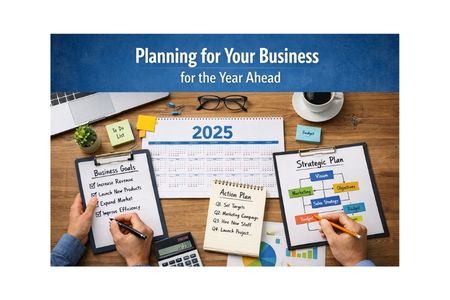
Planning your business for the year ahead isn’t about sitting down once with a notebook and magically having everything figured out. It’s about giving yourself clarity, direction, and a sense of control before the year starts pulling you in a hundred different directions. When you take the time to plan properly, you move from reacting to what happens in your business to intentionally shaping where it’s going.
A good place to start is reflecting on the year that’s just passed. Before you rush into new goals, it’s worth asking what actually worked and what didn’t. Look at your numbers, your bookings, your team dynamics, and even your own energy levels. Were there services that performed better than expected? Times of year that felt chaotic or unusually quiet. Moments where you felt proud of how far your business had come? This reflection gives you real data, not just guesses, and it helps you avoid repeating patterns that no longer serve you.
Once you understand where you’ve been, you can begin defining where you want to go. This is where vision matters. Think about what success would look like at the end of the year, not just financially, but personally as well. Do you want more profit, more time off, a stronger team culture, or a clearer brand presence? When your goals align with the lifestyle you want, they become far more motivating and far easier to commit to.
From there, it’s time to break those bigger goals into practical, achievable actions. Annual goals can feel overwhelming if they stay too broad, so turning them into quarterly or monthly focuses makes them manageable. This might mean planning specific marketing campaigns, reviewing pricing, investing in training, or refining your systems. Each small step should move you closer to your bigger picture, creating momentum rather than pressure.
Planning for the year ahead also means being honest about your resources. Time, money, and energy are all limited, so it’s important to decide where they’ll have the most impact. This could involve setting a budget, identifying areas where you can streamline processes, or delegating tasks that don’t need your constant attention. Smart planning isn’t about doing more; it’s about doing what matters most, consistently.
Another key part of planning is building flexibility into your strategy. No year ever goes exactly to plan, and that’s okay. Markets shift, trends change, and unexpected challenges arise. Having a plan doesn’t mean being rigid; it means having a framework you can adjust as needed without losing direction. Regular check-ins throughout the year allow you to reassess, realign, and keep moving forward with confidence.
Finally, planning your business for the year ahead is an act of self-leadership. It shows commitment to your business, your team, and yourself. When you start the year with intention, clarity, and a realistic plan, you set the tone for everything that follows. Instead of feeling overwhelmed by the unknown, you move into the year prepared, focused, and ready to grow whatever that growth looks like for you.
From the team at Glide HT we wish you a successful 2026
© Copyright 2026 Glide Hair Tools | ABN 97117422698

Designed and Developed by: